Get free quotes from forensic accounting near you
Takes about a minute. Free, no obligation; providers reply to you directly.
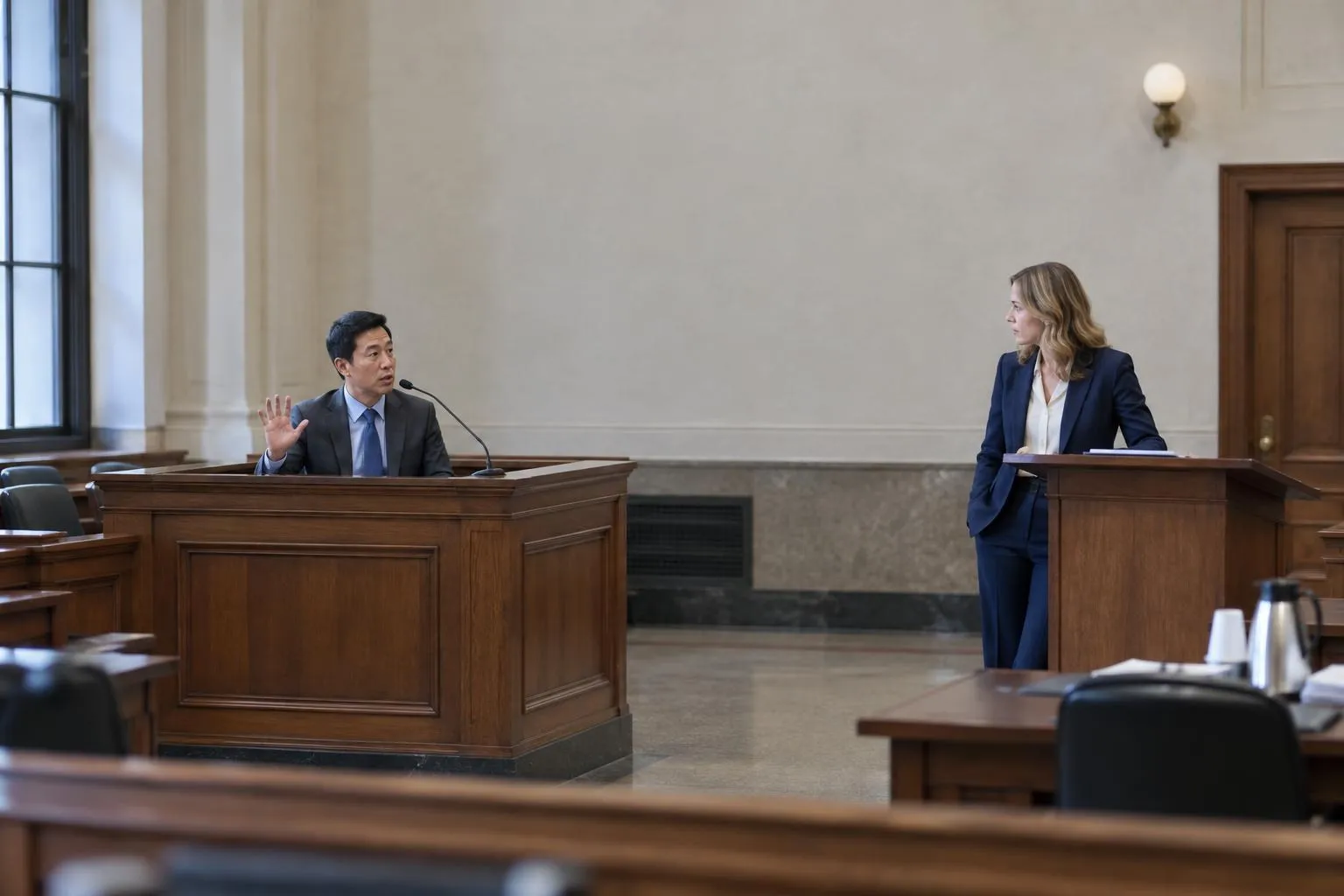
A hiring attorney walked into a courtroom with an expert witness report that fell apart under cross-examination — not because the numbers were wrong, but because the forensic accountant had never actually testified before. The opposing counsel asked one question about methodology, and the entire damages calculation was deemed speculative by the judge. Case dismissed. Three years of litigation, gone.
Picking the wrong forensic accountant doesn’t just cost you money. It can cost you the case.
The Short Version:The biggest hiring mistakes come down to credentials, methodology, and conflicts of interest. Avoid anyone without a CFE or CFF designation, anyone who won’t clearly explain their quantification approach, and anyone with financial ties to the opposing side. The rest is details — important details, but details.
Key Takeaways:
- Fraud costs small businesses an average of $150,000 per incident — the forensic accountant you hire needs to recover that, not add to the damage
- 30-40% of internal fraud involves direct accounting manipulation, which demands specialized skills beyond a standard CPA’s toolkit
- The right credentials (CFE, CFF) aren’t just alphabet soup — they signal training in evidentiary standards that determine whether your report survives court
- Most bad hires are caught too late, after the report is written and the retainer is spent
For a full orientation to what these professionals actually do and when you need one, see The Complete Guide to Forensic Accountants.
Red Flag #1: No Forensic-Specific Credentials
A CPA license means someone knows accounting. A CFE (Certified Fraud Examiner) or CFF (Certified in Financial Forensics) means someone knows forensic accounting — chain of custody, evidentiary standards, how to document findings in a way that holds up under oath.
What it looks like: The accountant leads with their CPA credential and years of tax experience. When you ask about forensic certifications, you get a vague answer about “extensive litigation experience.”
Why it matters: Without proper forensic training, methodology gaps become cross-examination targets. “Reasonable certainty” is the legal threshold for damages quantification — and that’s a specific standard, not a feeling.
How to avoid it: Ask directly: “Do you hold a CFE or CFF?” If neither, ask what forensic-specific training they’ve completed. Walk away if the answer is just general accounting experience.
Red Flag #2: They Can’t Explain Their Methodology in Plain English
Forensic accountants should be able to explain the bank deposit method, transaction tracing, and lifestyle analysis in terms a non-accountant can follow. If they can’t explain it to you, they can’t explain it to a jury.
What it looks like: You ask how they’d quantify damages in a partner dispute, and you get a wall of jargon followed by “trust us, we’ve done this a hundred times.”
Why it matters: Brinker Simpson’s work on shareholder disputes illustrates this well — forensic evaluations in compensation disagreements require transparent, auditable methodology, not black-box conclusions. Opposing counsel will probe every assumption.
Reality Check:Vague methodology isn’t modesty — it’s either a gap in skill or a deliberate hedge. Neither is acceptable when your case depends on the output.
Red Flag #3: No Litigation Support Experience
Investigation and litigation support are different skills. An accountant who can find fraud in your books may not be able to write an expert report, sit for deposition, or withstand cross-examination.
What it looks like: Impressive fraud investigation portfolio, zero courtroom experience. Or worse — courtroom experience, but always settled before trial.
Why it matters: Damages quantification in lost profits cases, insurance claims, or business interruption requires specific experience structuring reports for judges, not just clients.
How to avoid it: Ask for a representative expert report (redacted). Ask how many depositions they’ve given and how many trials they’ve testified at. Ask if they’ve ever had an opinion excluded under Daubert.
Red Flag #4: Conflict of Interest They Didn’t Disclose
This one is quiet and it’s catastrophic.
What it looks like: You’re three months into the engagement when you discover the forensic accountant’s firm has done work for the opposing party’s primary lender. Or they have a consulting relationship with someone tangentially connected to the case.
Why it matters: Undisclosed conflicts don’t just embarrass you — they give opposing counsel grounds to disqualify the expert mid-case.
Pro Tip:Run the accountant’s name and firm through whatever conflict-check process you’d use for any expert witness. Ask them directly to disclose any financial relationships with parties, counsel, or entities named in the case. Get it in writing.
Red Flag #5: They Promise a Specific Outcome
Any forensic accountant who tells you they’ll “find the fraud” before doing any work, or guarantees a damages number before reviewing the records, is either overconfident or willing to shape findings to client expectations.
What it looks like: “We’ll get you the number you need for settlement.” Enthusiasm for your desired conclusion before seeing a single document.
Why it matters: Partisan experts get destroyed on cross-examination. Opposing counsel will find prior engagements, prior reports, patterns of advocacy. It becomes the story of the case instead of the evidence.
How to avoid it: The right answer to “what will you find?” is always some version of “I don’t know yet — it depends on what the records show.”
Red Flag #6: Sloppy Document Handling Practices
Chain of custody isn’t bureaucratic formality. It’s how you prevent opposing counsel from arguing that records were altered or tampered with after production.
What it looks like: The accountant receives documents via personal email, stores them on a shared drive without access logs, or can’t tell you what their data security protocols are.
Why it matters: Spoliation arguments can sink an otherwise solid case. NSKT Global’s fraud investigations succeed because transaction tracing is done with documented, defensible procedures — not informal ones.
| Practice | What to Look For | Red Flag |
|---|---|---|
| Document intake | Logged, hashed receipts | ”We just save files to a folder” |
| Storage | Encrypted, access-controlled | Personal email, shared Dropbox |
| Chain of custody | Written log of all access | No documentation process |
| Communication | Secure portal or encrypted | Plain email for sensitive records |
Red Flag #7: They’re the Cheapest Option by a Wide Margin
Forensic accounting rates run $150–$500/hour depending on seniority, with complex litigation engagements billing $10,000–$100,000+ total. Someone quoting you half the market rate isn’t doing you a favor.
What it looks like: Quote comes in at $75/hour or a flat fee that seems implausibly low for the scope.
Why it matters: Below-market pricing usually means one of three things: junior staff doing work billed as senior, scope so narrow it won’t cover what you actually need, or someone who has trouble getting retained at market rates. None of those are good.
Reality Check:With 5% of annual revenue lost to fraud at the average small business, the cost of a qualified forensic accountant is almost always less than the cost of getting it wrong.
Practical Bottom Line
Before signing an engagement letter, run this checklist:
- Verify CFE or CFF credentials directly — these are searchable through ACFE and AICPA
- Ask for a sample redacted expert report and a list of prior testimony
- Run a conflict check before the first call, not after
- Ask specifically how they handle document intake and chain of custody
- Get their methodology explained to you in plain terms — if you can’t follow it, a jury won’t either
The forensic accountant you hire is either an asset in the courtroom or a liability. There’s not much middle ground.
Done reading? Get quotes from forensic accountants near you.
Takes about a minute. Free, no obligation; providers reply to you directly.
Popular cities:
Nick built this directory to help trial attorneys find credentialed forensic accountants without wading through general CPAs who overstate their litigation experience — a gap he encountered when trying to source a qualified damages expert for a commercial dispute.